A 30,000 BPD modular refinery and oil terminal on West Africa's coast — purpose-built to deliver fuel security to a region that imports the majority of its refined products despite producing millions of barrels of crude.
Africa produces over 8 million barrels of crude oil per day, yet remains a net importer of the refined products its economies run on. The result is a structural deficit worth over $100 billion in needed investment.
Africa needs over $40 billion in refining investment by 2030 to meet its mid-decade objectives. Infrastructure limitations — shallow ports, inadequate storage, stressed logistics — add $20–30 per tonne to the cost of every barrel of imported fuel. OPEC's 2025 World Oil Outlook projects Africa will add 1.2 million BPD of new refining capacity by 2030, one of the fastest downstream expansions in the world, yet the gap continues to widen as demand outpaces supply.
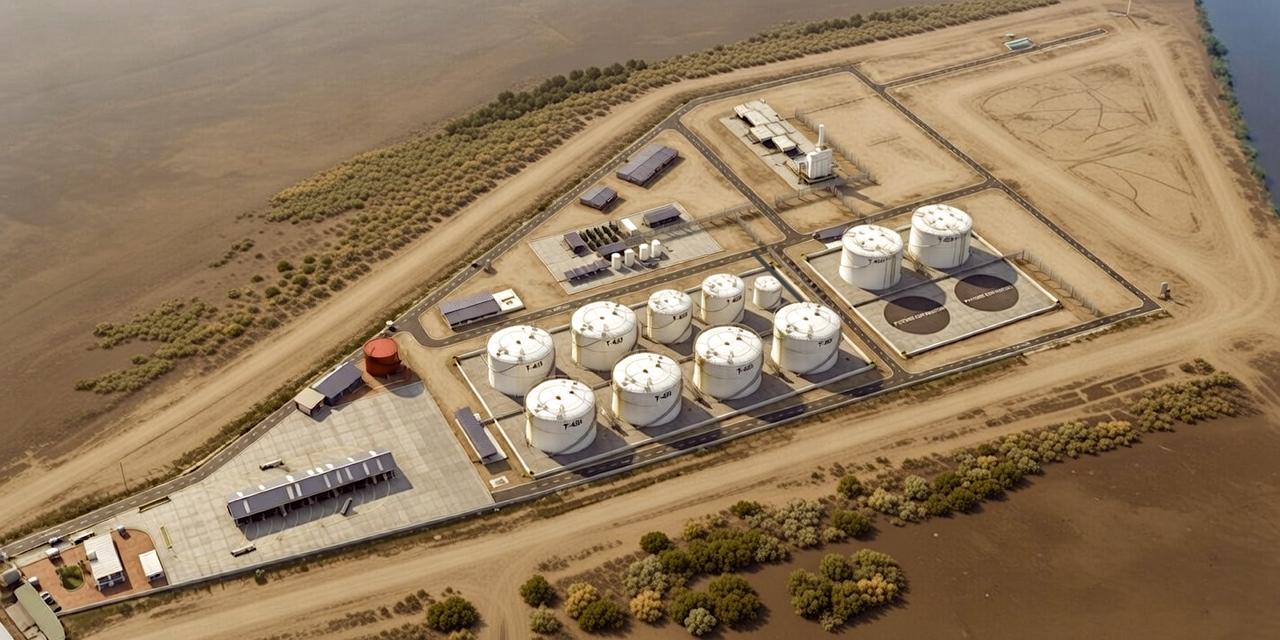
A next-generation, modular petroleum refinery and deepwater-access oil terminal situated on The Gambia's Atlantic coast — engineered to refine regional crude and distribute refined products across West Africa.
A rare convergence of structural market demand, regulatory incentives, execution readiness, and world-class partnerships.
West Africa imports the bulk of its refined fuel at premium prices. Local refining delivers a structural cost advantage and captures margin currently leaving the continent.
A 10-year tax holiday, duty-free raw material imports, and streamlined regulatory treatment under The Gambia's EPZ framework create exceptional project economics.
Commercial agreements with major global energy companies provide revenue visibility from day one of operations.
The Gambia's Atlantic coast location enables efficient distribution to six West African nations by sea and road, serving markets from Senegal to Sierra Leone.
African petroleum demand is projected to grow through 2050 and beyond, driven by population growth, urbanization, and industrialization across the continent.
Pre-fabricated modular design enables phased expansion from 30,000 to 60,000+ BPD, growing capacity in lockstep with market demand.
Six years developing the project. Four years before that getting to know The Gambia. The groundwork behind a shovel-ready opportunity.
The ABE team came to The Gambia exploring public-private partnership investments aimed at improving infrastructure and living standards. The years that followed built a network of contacts across government and industry, a genuine cultural understanding of the region, and the on-the-ground experience that would anchor every decision to come.
What began as an investigation into periodic fuel shortages in The Gambia opened up something larger: a regional refining and fuel storage gap nobody had successfully closed. The team studied failed projects across Africa — feedstock unavailability, stakeholder disputes, political instability, outdated equipment — and learned what not to repeat.
The pandemic disrupted travel, regulatory work, and partner engagement worldwide. The team adapted, kept advancing, and held the project together through the most difficult window of its development.
Research trips to assemble the project's spine: meeting traders, engineers, consultants, and investors. These efforts yielded the modular “topping” configuration optimized for West African crude — cutting edge, but proven.
In partnership with the Ministry of Petroleum & Energy, Ministry of Lands, PURA, the Gambia Maritime Administration, and GIEPA, ABE successfully obtained the country's first oil refining permit and completed all regulatory hurdles by year-end.
A year of technical work de-risked the project end to end: geotechnical surveys on the Mandinary site, process design for the modular topping configuration, the full FEED study, and the environmental, market, and financial studies that underpin the investment case.
EPC, OSBL, ISBL, marine works, O&M, and shipping — every execution role filled with proven international partners. Letters of intent from ExxonMobil, Chevron, and PetroIneous on feedstock supply and product offtake.
Initial land preparation works done on the Mandinary site. The project sits at the threshold of the implementation phase.
A disciplined, phased approach that builds capability and expands reach with each stage — from crude distillation to a full-complex refinery serving six nations.
Backed by global energy leaders across every critical function — from engineering and construction to crude supply and product offtake.
Reach out to schedule a conversation with our team or discuss partnership opportunities.
info@alphabetaenergy.com